News
Connecting Hiroshima to the Southern Ocean: A Unified Vision for Antarctic Peace and Conservation
Antarctica’s significance as a continent dedicated to peace and science was highlighted on May 7, 2026, at the Cervantes Institute in Tokyo with the event, “Beyond the Ice: Antarctica as a Blueprint for Peace and Conservation.”
Co-hosted by ASOC (Antarctic and Southern Oceans Coalition), FoE Japan and Peace Boat, the event aimed to raise public awareness of the 48th Antarctic Treaty Consultative Meeting (ATCM-48), taking place from May 11 - 22 in Hiroshima. Against a backdrop of rising global tensions, speakers emphasized that the Antarctic Treaty remains a rare and successful model of international cooperation, demonstrating how shared environmental stewardship can serve as a powerful foundation for global peace.
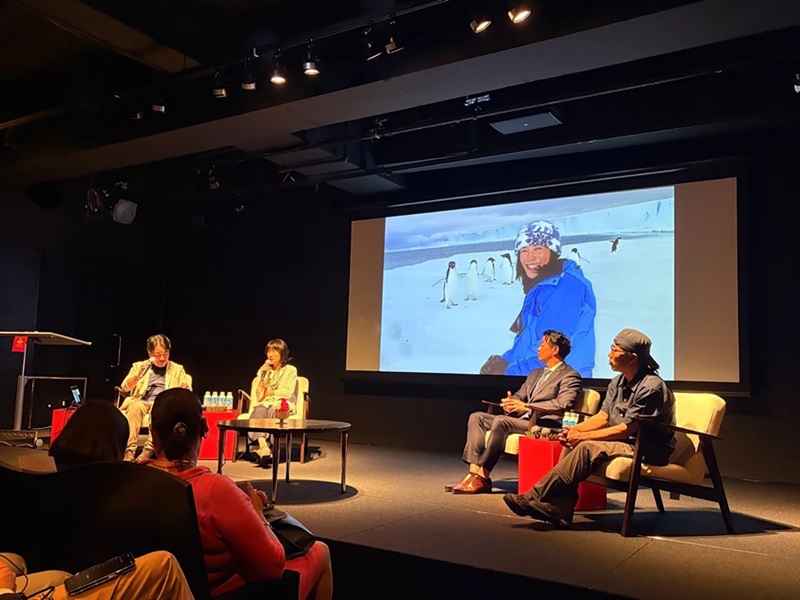
After a powerful introduction by Patrícia Cavalcanti, Program Director and Head of the Asia-Pacific Chapter of Agenda Antártica, strategic experts reinforced the idea that environmental protection is the modern language of polar diplomacy. ASOC Executive Director Claire Christian and former U.S. diplomat Evan Bloom explained that while the Antarctic Treaty was born from the Cold War to prevent military activity, its current strength lies in the collective management of the Southern Ocean. They noted that the ban on mining - once considered "unrealistic" - is now a point of pride for Treaty parties. This evolution proves that when civil society and governments prioritize the common good over national self-interest, they create a system of "positive peace" that transcends political differences. As Claire stated: "That’s why it is really important for civil society to participate in the Antarctic Treaty System – we have to provide that different perspective that the Antarctic wilderness is valued by people all over the world and they want to see their governments protect it."
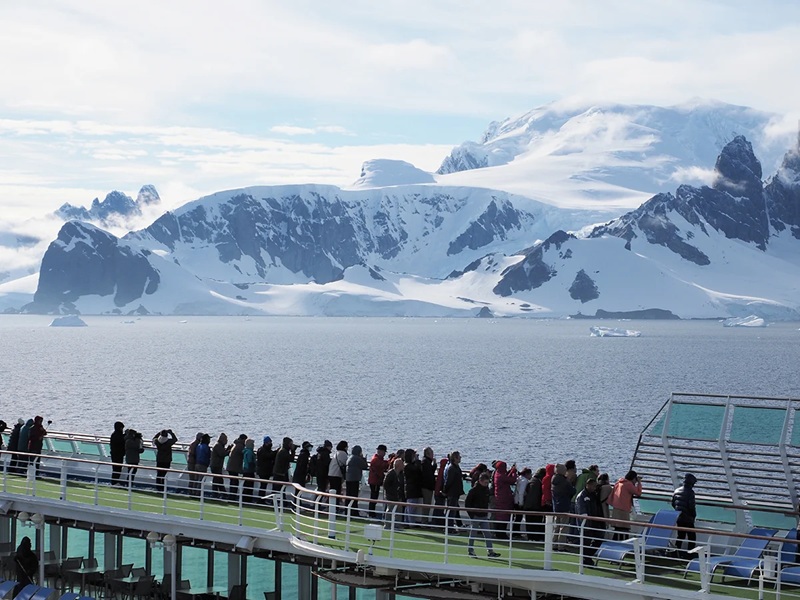
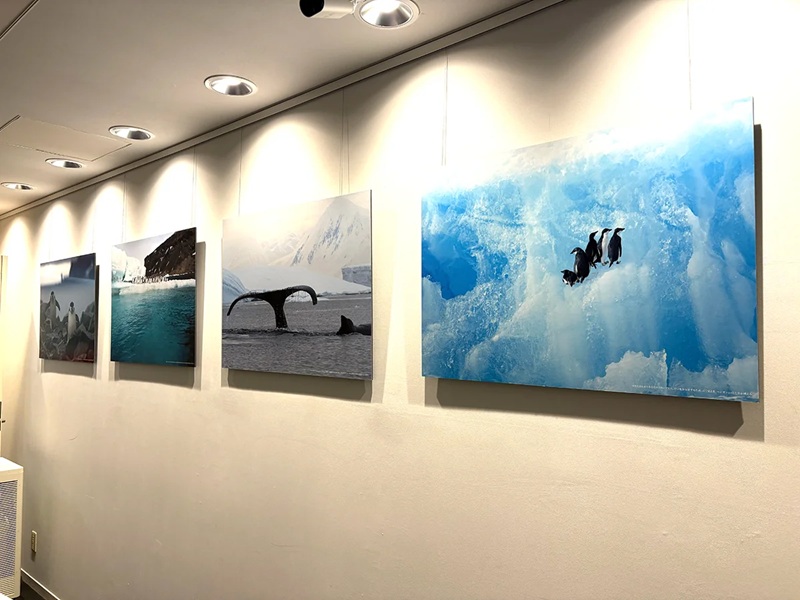
The evening’s discussions also highlighted the profound link between experiential learning and environmental advocacy. Kimura Yuri, International Coordinator for Peace Boat, shared how the organization’s voyages transform passengers into "Antarctic Ambassadors" by fostering a deep emotional connection to the wilderness. Through lectures by experts, such as polar journalist Nakayama Yumi, and creative activities like origami and photography exhibitions, Peace Boat helps diverse participants - from toddlers to the elderly - move from awe to action. This sentiment was shared by expert polar guide Ijichi Ryo, Nakayama Yumi and fellow Peace Boat guest speaker photographer Mizumoto Shunya, who noted that witnessing the incredible life of Antarctica and the visible impacts of climate change firsthand inspires a unique responsibility to protect the planet.
With the focus now on the ATCM-48 in Hiroshima, the message from the Tokyo event remains clear: protecting Antarctica is not just a scientific necessity, but a moral imperative for a peaceful future. Takashi Yamamoto of Japan Grace Co., Ltd., organizers of the Peace Boat Cruises, concluded by reminding the audience that Japan, as one of the original signatories of the Antarctic Treaty, bears a special responsibility to uphold this nuclear-free and peaceful precedent. By cultivating a new generation of "ocean leaders" through programs like the Youth for SDGs, Peace Boat continues to ensure that the baton of peace carried from Hiroshima reaches the furthest corners of the Southern Ocean.
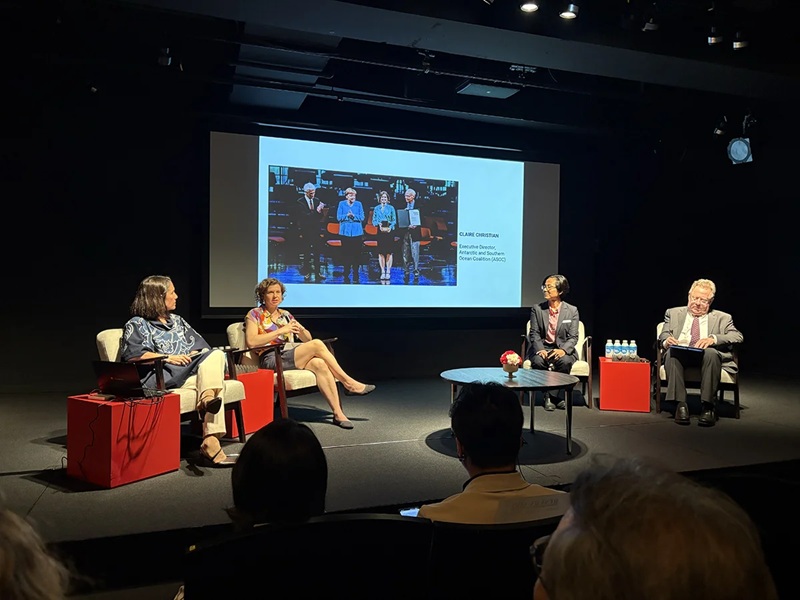
The Symposium can be watched online below in English:
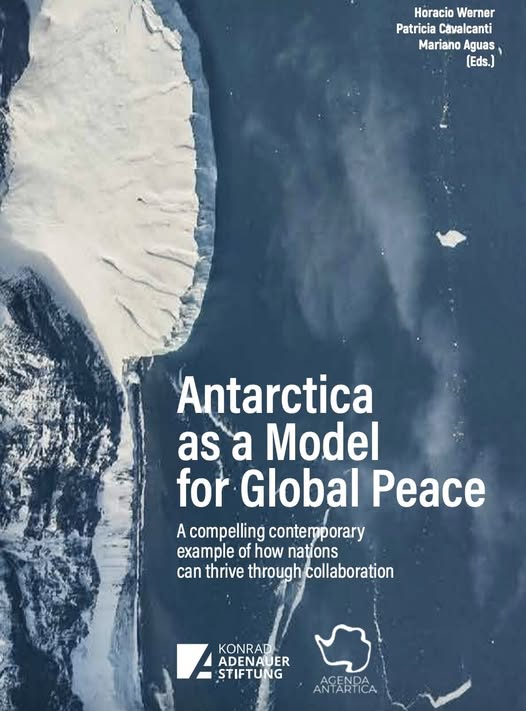
Agenda Antártica's book "Antarctica as a Model for Peace Peace", edited by Patrícia Cavalcanti, includes contributions by Claire Christian and Evan Bloom, as well as by Emilie McGlone, Executive Director of Peace Boat US. It can be read and downloaded online for free through this link (click).