From the Ship
Charting a Blue Future: Youth for the SDGs program for the UN Ocean Decade
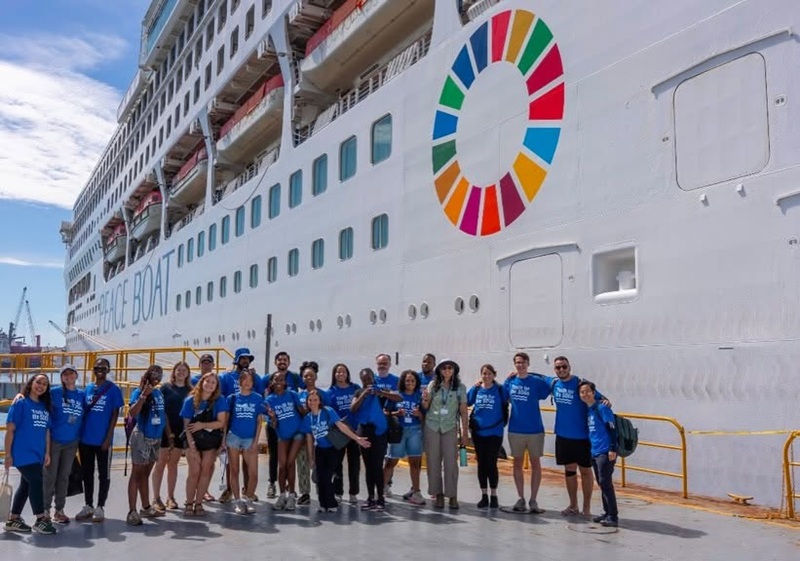
From June 14 to June 30, 2026, the Youth for the SDGs program took place aboard Peace Boat’s 123rd Global Voyage in Latin America, sailing from Panama to Guatemala and Mexico. This initiative, endorsed by the IOC UNESCO as a recognised contribution to the UN Decade of Ocean Science for Sustainable Development (2021-2030), provided a unique experiential learning platform for 13 youth leaders to engage with ocean conservation, climate action, and sustainability. The cohort, representing a diverse array of backgrounds from the United States, Jamaica, Mexico, Brazil, Panama, South Korea and Anguilla, focused on the impacts of climate change and ocean preservation across the Latin American region.

Program Overview and Global Collaboration
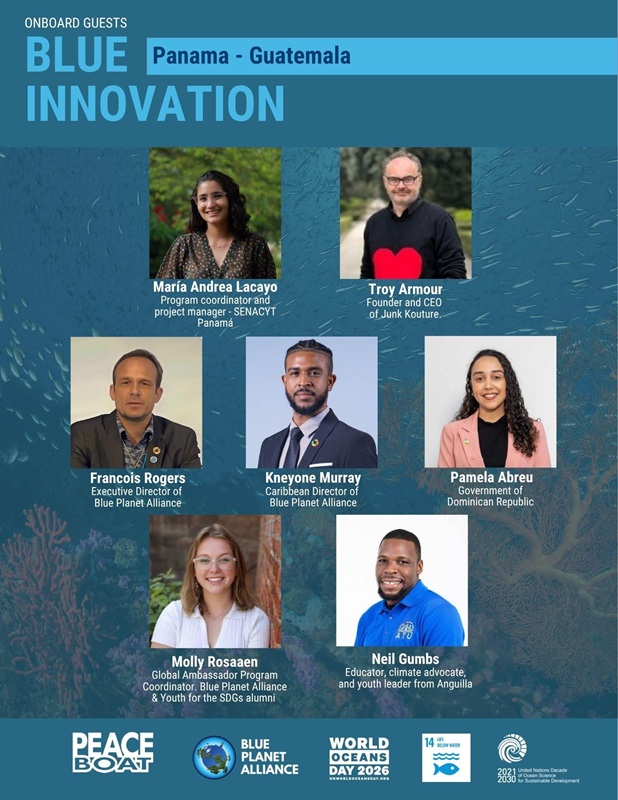
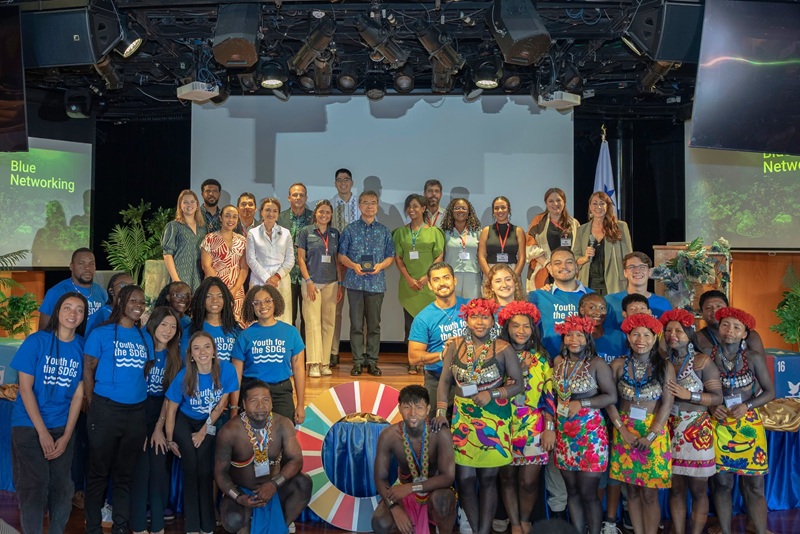
A defining feature of this voyage was the strategic partnership with the Blue Planet Alliance (BPA). This collaboration centered on SDG 7—Clean and Affordable Energy—with the shared mission of advancing island nations and coastal communities toward achieving a100% renewable energy by 2045. During the leg from Panama to Guatemala, the youth cohort was joined by a delegation from the Blue Planet Alliance including several of the organization’s Global Youth Ambassadors, along with government representatives from Panama and the Dominican Republic, special guest speakers and partners. These leaders facilitated workshops and engaged in advocacy efforts, mentoring the youth scholars on how to translate environmental advocacy into legislative action.
Panama: Cultural Exchange and Environmental Stewardship
The program began in Panama with immersive field visits. Participants engaged with the Embera Quera Indigenous community, gaining insights into traditional ecological knowledge, specifically the medicinal uses of native plants and the role of Indigenous communities in safeguarding ecosystems.
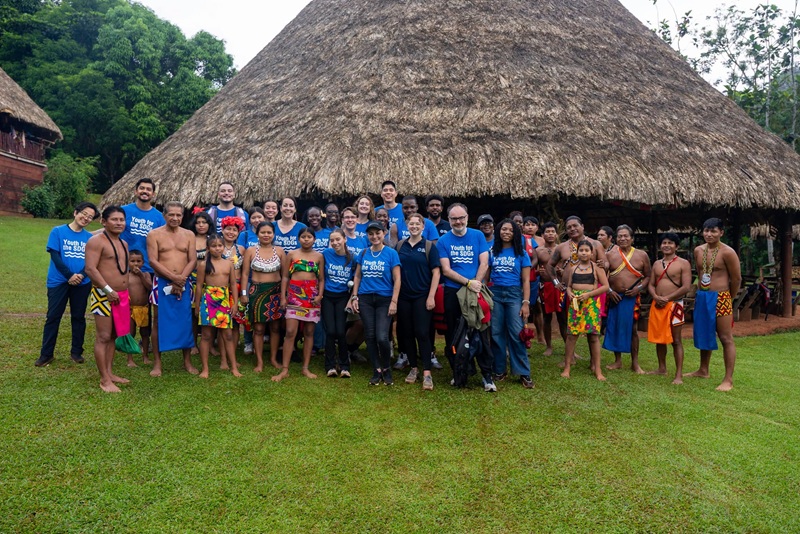
In a visit to the Kuna community, participants facilitated ocean literacy activities for local children, including ocean storytelling and mural painting, fostering meaningful cultural exchange. The group also engaged with local youth and experts from the United Nations Environmental Programme (UNEP), and visited the Smithsonian Tropical Research Institute and the BioMuseo to learn more about the biodiversity of the region. Discussions spanned gender rights in Latin America, inter-organizational climate strategies, and the interconnection of human development and biological systems.

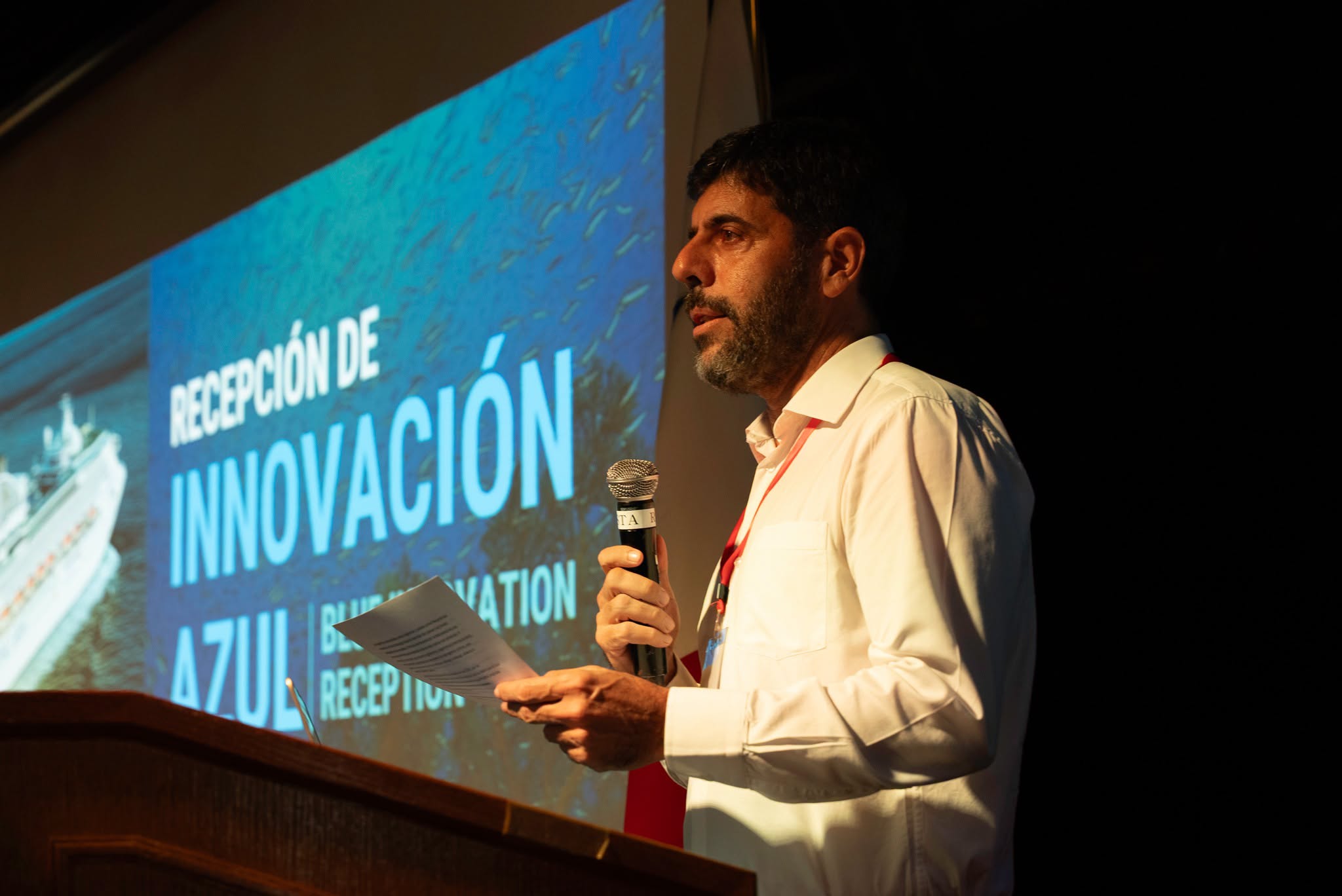
The youth boarded the ship on June 18 as Peace Boat docked in Cristobal, Panama. After embarking, they participated in the Blue Innovation Reception held onboard that evening, showcasing partnerships for an inclusive blue economy. Featuring keynote speeches, panel discussions, and performances, the event brought together representatives from the diplomatic community, the United Nations, foundations and the private sector, sharing best practices for responsible ocean stewardship with a focus on learning from the Nature Pledge of Panama.
Panama Canal: Maritime Connectivity
Transit through the Panama Canal on June 19 offered a rare, firsthand view of global maritime connectivity and environmental engineering. Onboard programming, aligned with the UN Ocean Decade and the Blue Planet Alliance, featured workshops where participants developed energy transition roadmaps for the United States, Mexico, and Jamaica. These sessions emphasized the necessity of decentralized energy solutions and grid-scale infrastructure, reinforcing the practical applications of SDG 7.
Onboard Programming and Maritime Education
Beyond programmes in ports of call, the ship itself served as a living classroom. A core component of the voyage was the active role of the 13 youth participants in shaping the onboard educational agenda. Participants led their own workshops, sharing their personal expertise and professional backgrounds to advocate for specific Sustainable Development Goals. Furthermore, the youth scholars delivered formal presentations for the broader audience of Peace Boat passengers, bridging the gap between grassroots advocacy and global awareness. A significant highlight was a visit to the ship's bridge, which offered participants a unique opportunity to learn about maritime issues, navigation, and environmental logistics from the professionals directly working in the field.


Guatemala: Research and Conservation
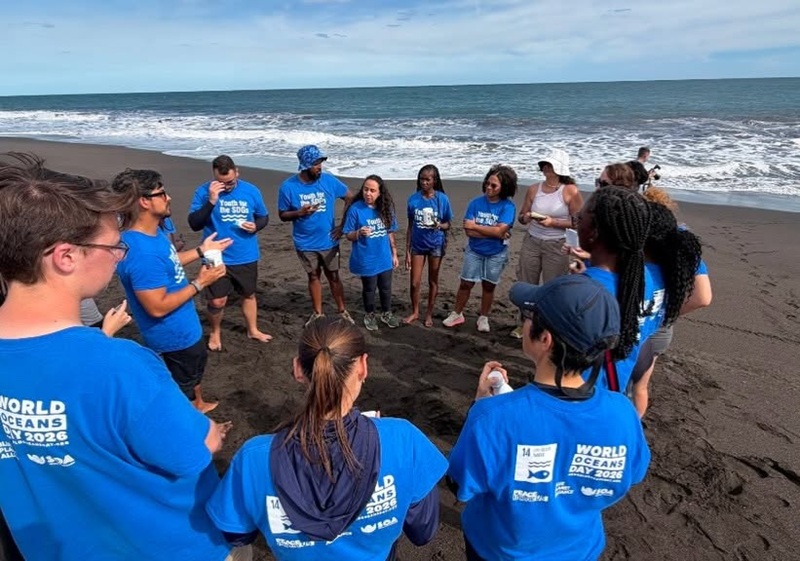
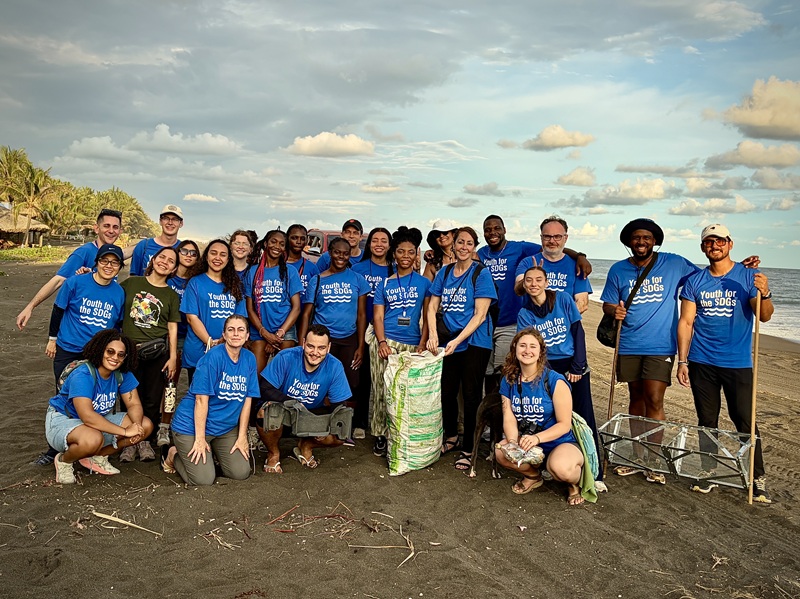
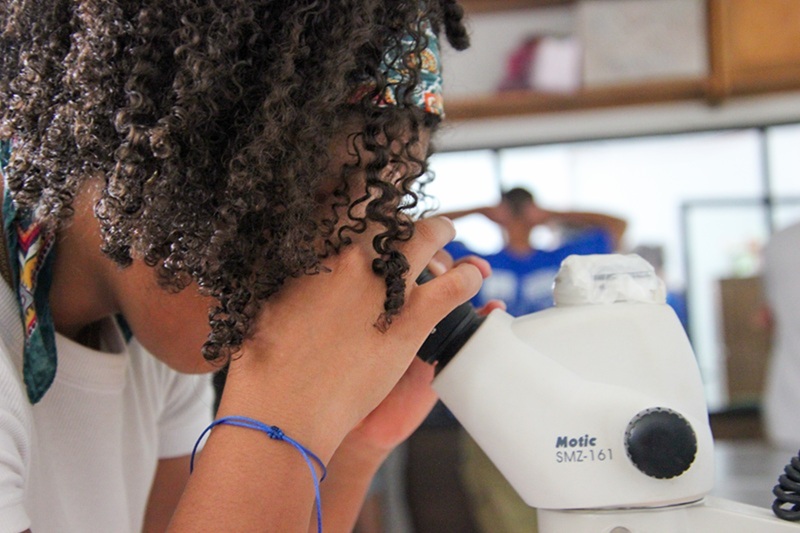
Upon arriving in Puerto Quetzal, Guatemala, the cohort explored the Monterrico Multiple-Use Natural Reserve to study restoration efforts for mangrove ecosystems vital for coastal protection. They participated in water quality testing and beach clean-ups, emphasizing the importance of individual action. A significant highlight was the marine biology study program at the Santuario de la Tortuga Verde. Here, participants helped conduct observational research on tagged green sea turtles, analyzing the impacts of boat collisions and the importance of ethical navigation in protected marine habitats.
Mexico: Innovative Sustainability and Closing
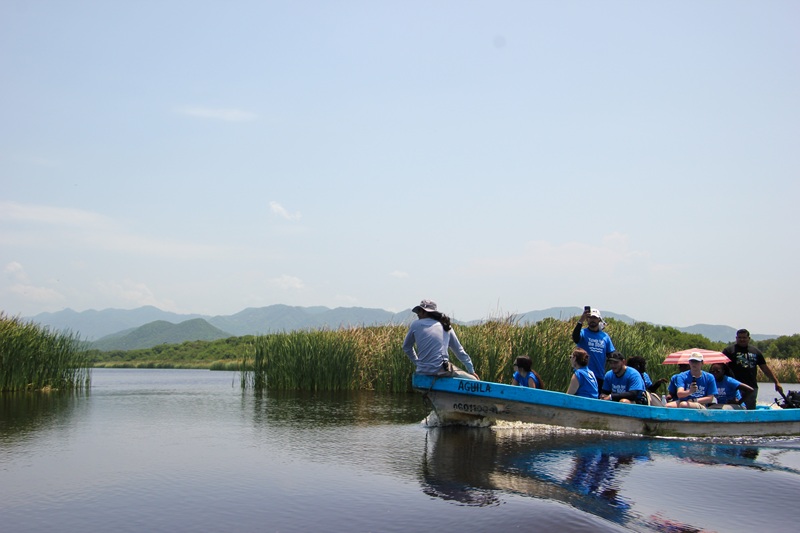
The final leg in Manzanillo, Mexico, featured visits coordinated in partnership with Restore Coral and SOS Mares to local conservation sites, including to the National Institute of Fisheries and Aquaculture of Mexico (INAPESCA), where the youth learned about artificial reef projects, microalgae cultivation, and sustainable octopus farming. A visit to Cuyutlán focused on mangrove restoration, and each participant was able to collect seeds and plant a mangrove themselves. Youth participated in a beach clean up to reduce ocean plastic and take action for environmental and marine ecosystems protection. Local fishermen also shared their inspiring work for oyster cultivation as a blue economy project to reduce ocean acidification. The journey concluded in Santiago Bay with a boat tour to snorkel and learn more about SDG14 for Life Below Water, while also reflecting on regional marine wildlife conservation and the youth’s own shared experiences.
Youth Perspectives and Impact
As part of their reflections, participants highlighted the necessity of cross-disciplinary collaboration and ocean literacy for all ages. As one participant noted, “Protecting the ocean is not only the responsibility of marine scientists, but of every profession.” Another reflected on the synergy between mental health and environmental work, stating, “Healthy minds are better equipped to care for others and the planet.” By the end of the voyage, the cohort left with a renewed commitment to collaborative, science-based solutions and a strengthened network of local and global partnerships.