From the Ship
Set Sail for Dialogue: Youth for Peace on the 123rd Global Voyage
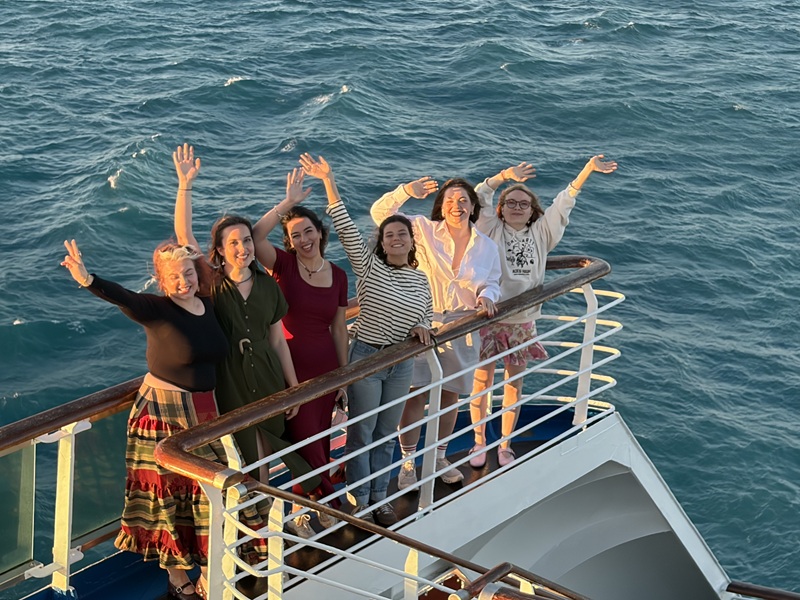
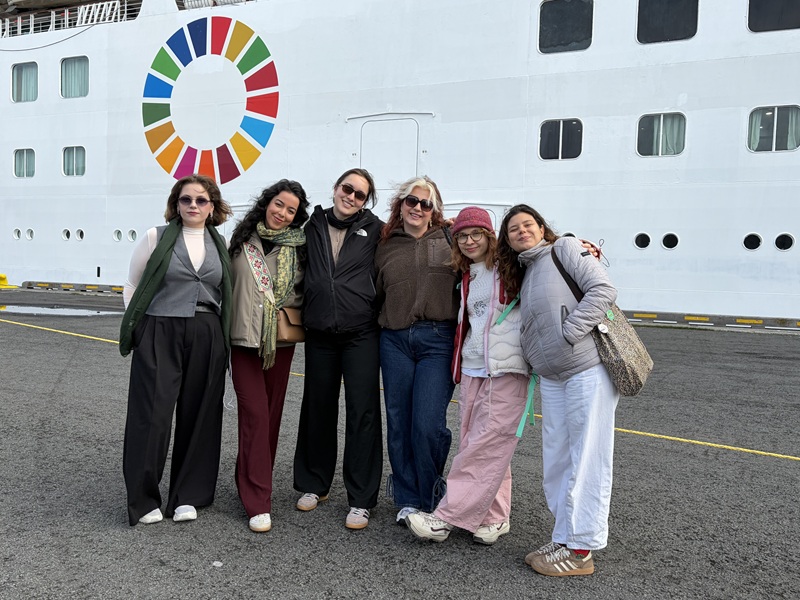
The inaugural “Set Sail for Dialogue" programme took place onboard Peace Boat’s 123rd Global Voyage, in partnership with the Nobel Peace Center. Six young people from countries throughout Europe joined the voyage to study dialogue principles and techniques as practical tools for conflict resolution between May 24 and June 12, sailing from Amsterdam to New York while calling also to Bergen, Norway and Reykjavik, Iceland along the route. In a time of rising polarisation and confrontation, Peace Boat organised this programme to highlight the capacity of dialogue to reduce tensions and resolve crises, and provide a further platform for peace education and exchange onboard.
Dialogue as a Tool: Navigating Conflict
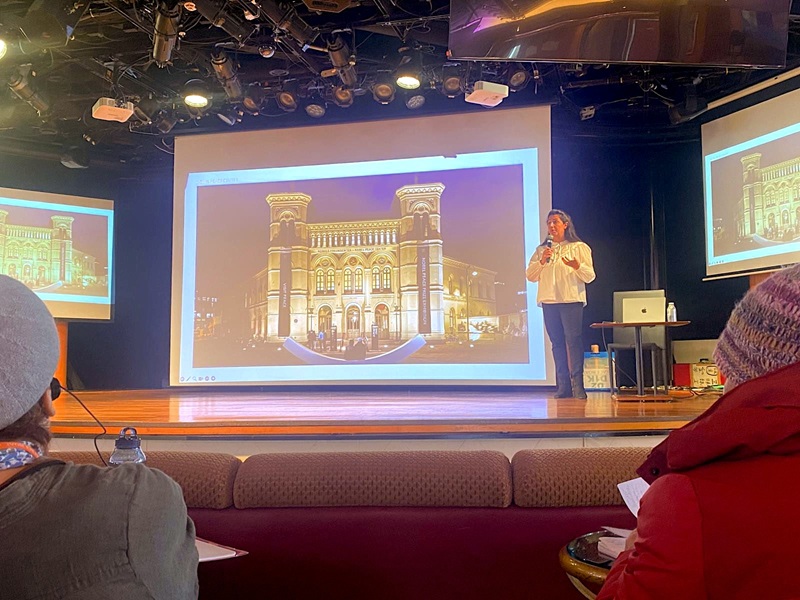
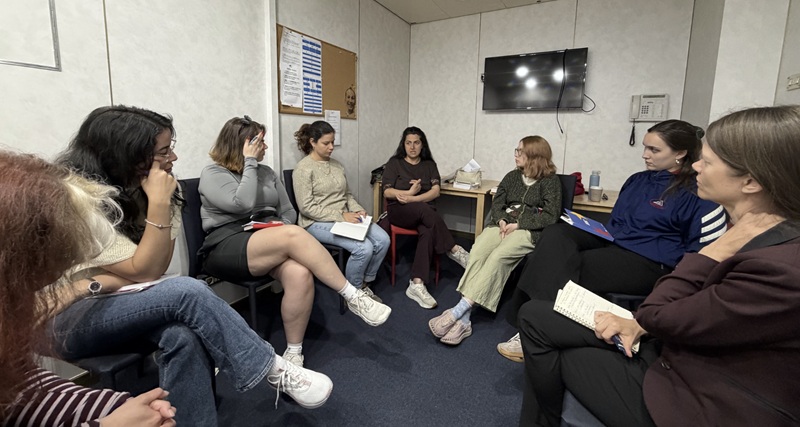
The programme started with a series of sessions and workshops facilitated by Chro Borhan, dialogue expert from the Nobel Peace Center in Oslo, who explained fundamental methods and techniques for engaging in dialogue with individuals and groups holding different or opposing views. Interactive workshops, role plays, and real case studies from the participants’ own community or home country created unique opportunities for learning and practicing dialogue methods, both within the group and in the broader multicultural community onboard Peace Boat. "Active listening and understanding the emotions and needs of the other side is crucial in searching for common ground and needed solutions," explained Chro Borhan, who has years of experience as a practitioner for dialogue, including among radicalised groups in Norway.
“From the first workshops, I understood that dialogue is not simply a conversation, but a deliberate method of communication that requires listening, openness, and the ability to remain present even when the topic is difficult. I would like to share this approach with others and use it more consciously in my future professional work,“ said participant Anna Sabinina from Russia/Austria.
The programme also included sessions on conflict analysis, conflict escalation and de-escalation through practical exercises, real-world examples, discussions, and reflections. “I have a much better understanding of conflict now, and how important it is to develop dialogue when we face differences,” said Dragana Kurti from Albania. “Understanding what conflict means, disagreeing safely, and being stubbornly optimistic are three things I will think about and refer to a lot going forward,” added Aurora Strøm Ruud from Norway.
Lessons in Courage: Connecting with Survivors and Advocates
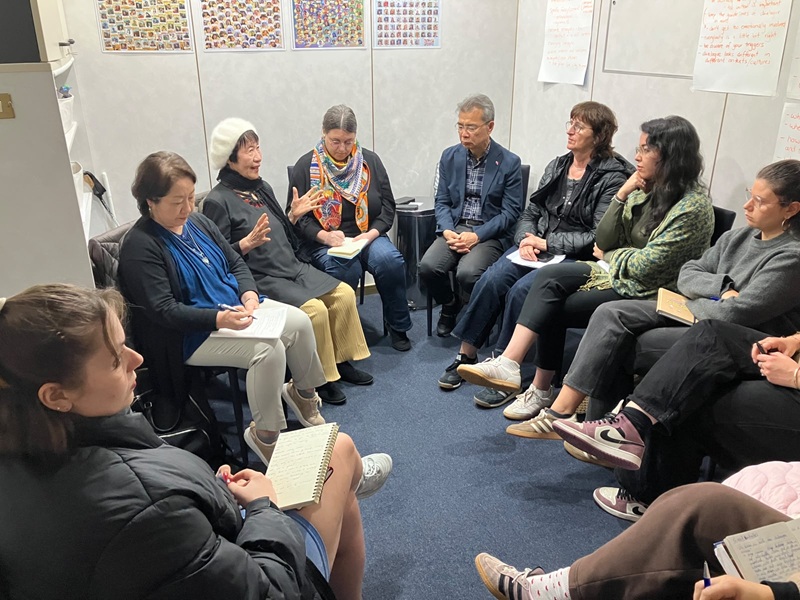
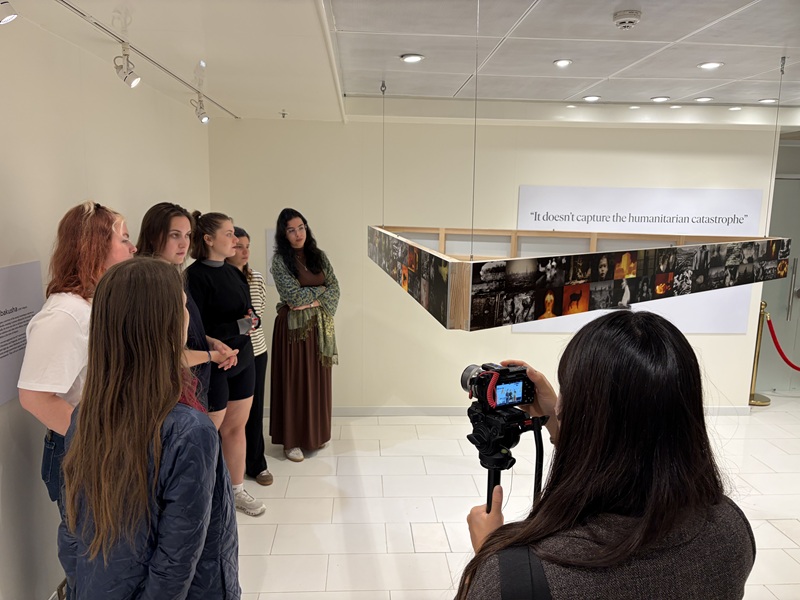
In an intimate exchange session with Tanaka Toshiko, atomic bomb survivor and artist, participants directly heard her testimony of experiencing the attack on Hiroshima. This was complemented by a visit to the powerful onboard exhibition 'A Message to Humanity,' the outreach edition of the Nobel Peace Exhibition hosted at the Nobel Peace Center in Oslo in recognition of 2024 Nobel Peace Prize Laureate, Nihon Hidankyo. This moving experience led to intensive discussions on nuclear weapons in the world today and what can be done to reduce and prevent new nuclear threats.
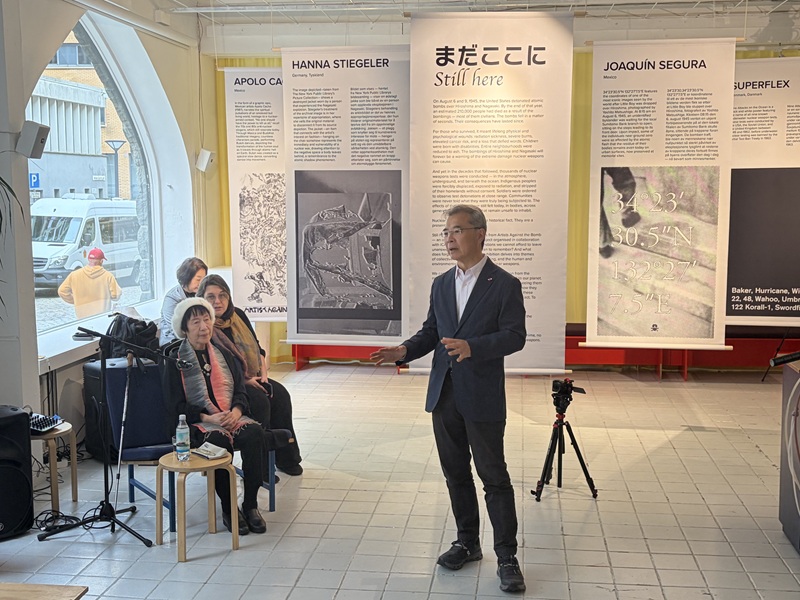
Engaging lectures and talk sessions with Susi Snyder, Director of Programmes at the International Campaign to Abolish Nuclear Weapons (ICAN), were another highlight for participants. Susi explained ICAN's advocacy towards nuclear weapons abolition, as well as divestment from the nuclear industry through the campaign 'Don’t Bank on the Bomb.' These issues were discussed further during an event hosted by ICAN Norway and other ICAN partner organisations in Bergen, which also featured the opening of an exhibition by Artists Against the Bomb.
The Set Sail for Dialogue programme offered numerous opportunities to meet civil society actors engaged in regional and international dialogue to prevent or de-escalate political disputes and conflicts. As the ship was docked in the Netherlands, participants met Zahid Mövlazadä, Executive Director, and Nafila Maani, Programmes Manager of the Global Partnership for the Prevention of Armed Conflict (GPPAC), who shared practical experiences of dialogue in resolving regional conflicts and long lasting disputes.
In Reykjavik, participants visited the UN Association of Iceland, which promotes the values and visions of the United Nations, inclusive dialogue, and engagement with youth as an essential catalyst for social change. A following visit to Hitt Húsið, a hub for youth in the city, gave deep insight into methods of social inclusion and grassroots dialogue in conflict prevention and cross-cultural communication. This visit also inspired an important discussion about how peacebuilding can come in various forms and take place on different levels of society.
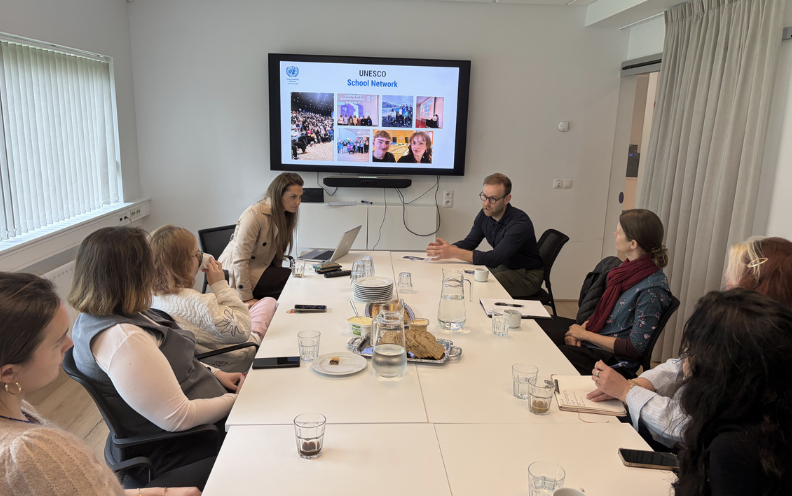
“The ports offered an excellent balance of cultural learning, valuable networking, and personal exploration. It was a privilege to see the work of people on the ground in action and to witness how they engaged with dialogue in their daily lives,” said Asma El Kanfoudi El Boutuya from Morocco/Spain.
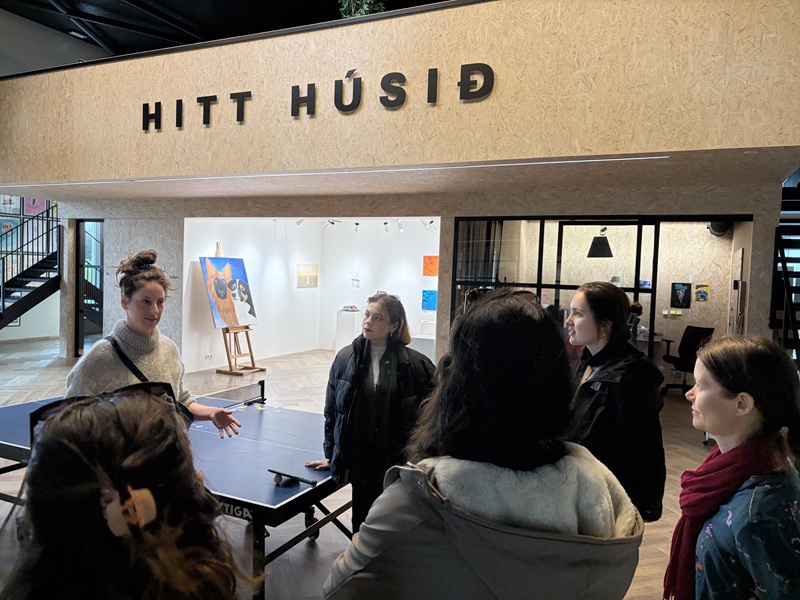
Arrival in New York: From Ship to Shore
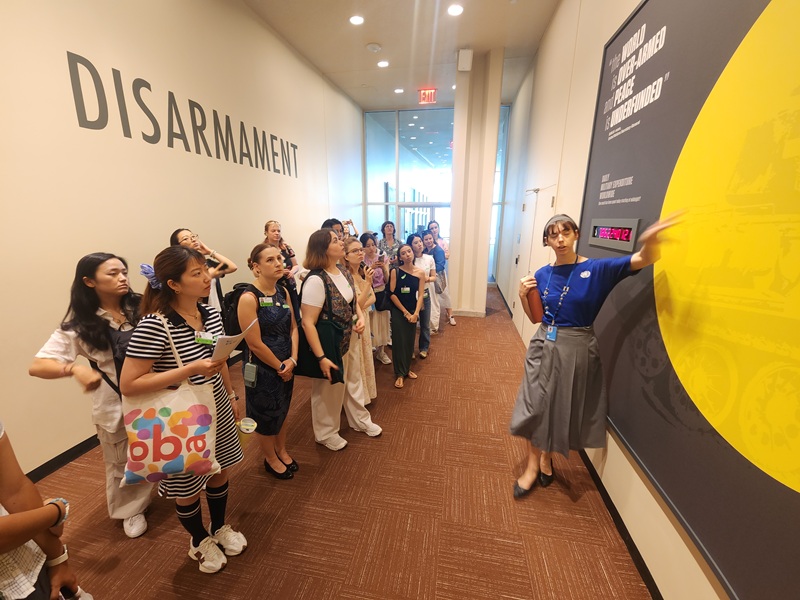
In New York, participants presented highlights of their programme in front of hundreds of audience members during the Ocean Gala and Blue Innovation Reception held onboard Peace Boat on the evening of June 10. There, they shared their appeal for more diplomatic and political dialogue on critical world issues. The following day, also the last day of the programme, featured an inspiring visit to the United Nations Headquarters in New York. This gave participants the chance to better understand UN mechanisms for building international cooperation and dialogue for peace.
The programme then culminated with a visit to the UN Youth Office, discussing initiatives for more meaningful inclusion through investment in and partnership with youth around the world to build peaceful societies. “These visits helped us better understand Peace Boat’s work beyond the voyage itself, as well as its engagement with international institutions and policy processes. They provided valuable insight into how the organization connects grassroots peacebuilding efforts with international advocacy and global forums,” said Paula Jou Fuster from Spain.
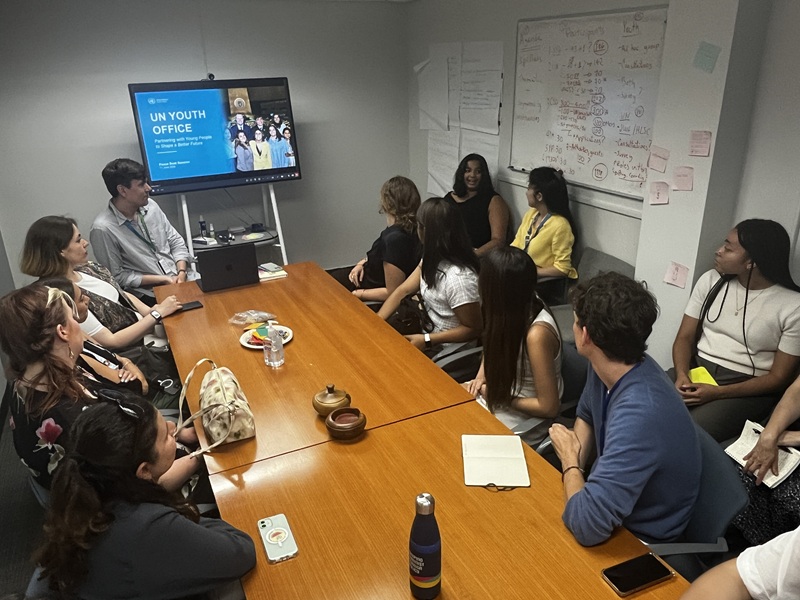
Fellow participant Johanna Heck from Germany emphasized the strong sense of hope she regained through joining this programme: “Throughout the voyage, I met people from incredibly different backgrounds who were all connected by the belief that a more peaceful and just world is worth working towards. This gave me something that is often difficult to hold on to in everyday life: hope. It reminded me that there are already countless people dedicating their time, knowledge, and energy to creating positive change.”
Participants of the Set Sail for Dialogue programme returned home not just with new skills and friendships, but with a renewed sense of both responsibility and hope. They carry with them the conviction that dialogue is not merely a tool for communication, but a pathway to peace - one that they are now committed to forging in their own communities and beyond.
This programme was organised in cooperation with the Nobel Peace Center, Norway